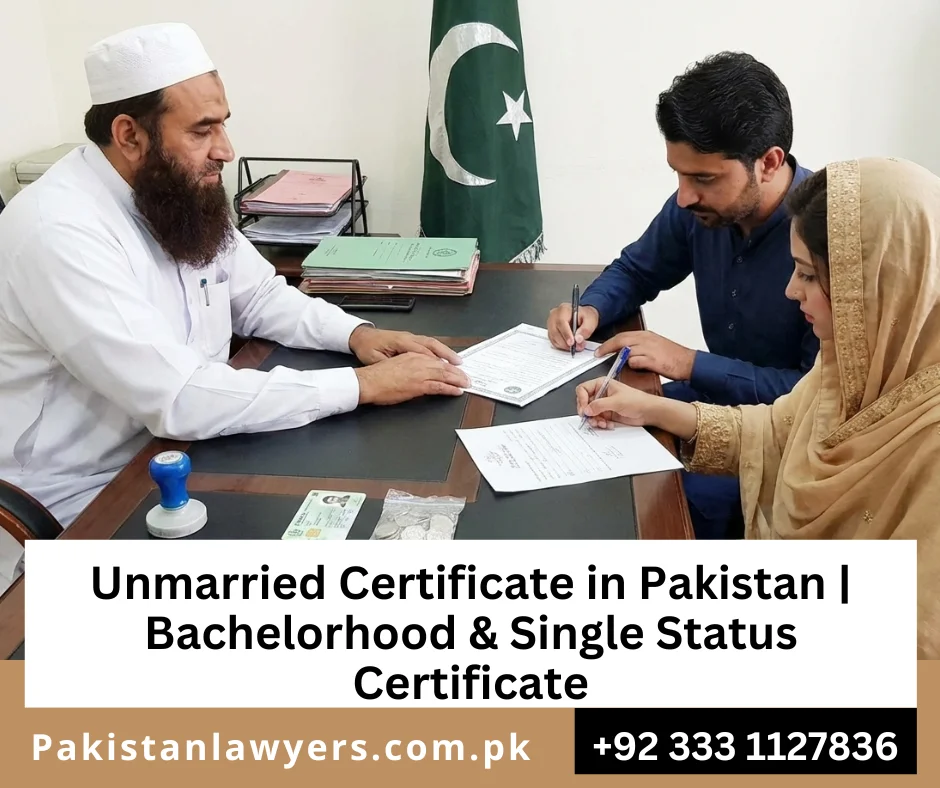
Unmarried Certificate in Pakistan is required to confirm that a person has never been married under Pakistani law. This document—also known as a Bachelorhood Certificate, Single Status Certificate, or Non-Marriage Certificate—is commonly required for foreign marriage registration, embassy submissions, immigration applications, and overseas legal compliance.
Pakistan does not maintain a centralized unmarried or single-status registry. Instead, unmarried status is verified through legally recognized affidavits and local authority certifications, depending on the destination country’s requirements.
Under Pakistani practice, unmarried status is established through two lawful mechanisms:
Online Nikah
Online Shadi
Pakistani Nikah Nama
Online Nikah in Pakistan
NADRA Marriage Certificate
Online nikah & Marriage Documents
Online Nadra Marriage Certificate
English Nikah Nama Form
Urdu Nikahnama Form Online Marriage in Islamabad
Online Nikah in Karachi
Online Marriage in Lahore
Online Marriage in Urdu
Online Shadi in Pakistan
Both are legally valid, but acceptance depends on foreign authority or embassy instructions.
Because requirements vary by country, selecting the correct document and attestation path is essential to avoid rejection or delay.
Before applying, applicants should understand the difference between the two formats.
Feature | Unmarried Affidavit | Union Council Certificate |
Legal Nature | Sworn declaration | Local authority certification |
Format | No fixed statutory format | Official letterhead |
Issuance | Faster | Verification-based |
Embassy Acceptance | Widely accepted | Country-specific |
MOFA Attestation | Usually required | Required for foreign use |
In many cases, an affidavit alone is sufficient, while some authorities insist on a Union Council–issued certificate.
Procedures and verification requirements vary by city due to Union Council practices and administrative workflows. For accuracy and compliance, it is important to follow city-specific guidance.
Karachi applicants commonly rely on affidavits and Union Council certificates for foreign marriage, immigration, and embassy use, with MOFA attestation completed locally or in Islamabad.
Islamabad-based applicants often face embassy-focused scrutiny, making precise drafting and proper attestation especially important for diplomatic and immigration filings.
Lahore follows Punjab Union Council procedures, where verification and witness requirements may affect timelines for official certificates.
Rawalpindi applicants frequently submit documents to Islamabad-based embassies and MOFA, making correct attestation sequencing critical.
With complete documentation:
Most cases are completed within 3–5 working days, subject to authority workload and attestation requirements.
For foreign use, MOFA attestation is usually mandatory to authenticate signatures and seals.
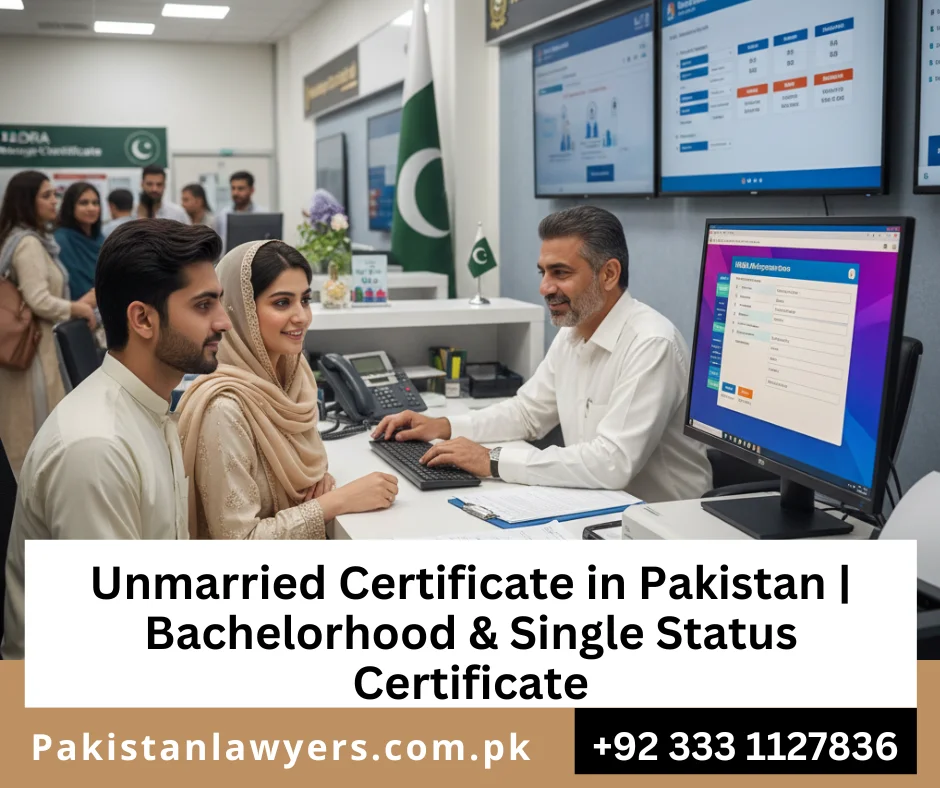
Foreign authorities apply strict document scrutiny, and even minor errors in format, wording, or attestation can result in rejection. Proper legal handling ensures that the unmarried certificate is:
Early guidance often prevents costly delays and repeat submissions.
Unmarried Certificate in Islamabad
Unmarried Certificate in Lahore
Unmarried Certificate in Rawalpindi
MOFA Attestation Pakistan
Marriage Registration Certificate, Pakistan
If you are planning marriage abroad, embassy submission, or immigration processing, confirming the correct unmarried certificate format and attestation route before applying can save time and prevent rejection.
Each case depends on destination-country requirements, not assumptions—professional handling ensures compliance from the start.